
Find Air Conditioning Replacement in Your Area
- Air Conditioning Replacement in Edmonton
- Air Conditioning Replacement in Victoria
- Air Conditioning Replacement in Winnipeg
- Air Conditioning Replacement in Fredericton
- Air Conditioning Replacement in St. John's
- Air Conditioning Replacement in Yellowknife
- Air Conditioning Replacement in Halifax
- Air Conditioning Replacement in Iqaluit
- Air Conditioning Replacement in Toronto
- Air Conditioning Replacement in Charlottetown
- Air Conditioning Replacement in Quebec
- Air Conditioning Replacement in Regina
- Air Conditioning Replacement in Whitehorse
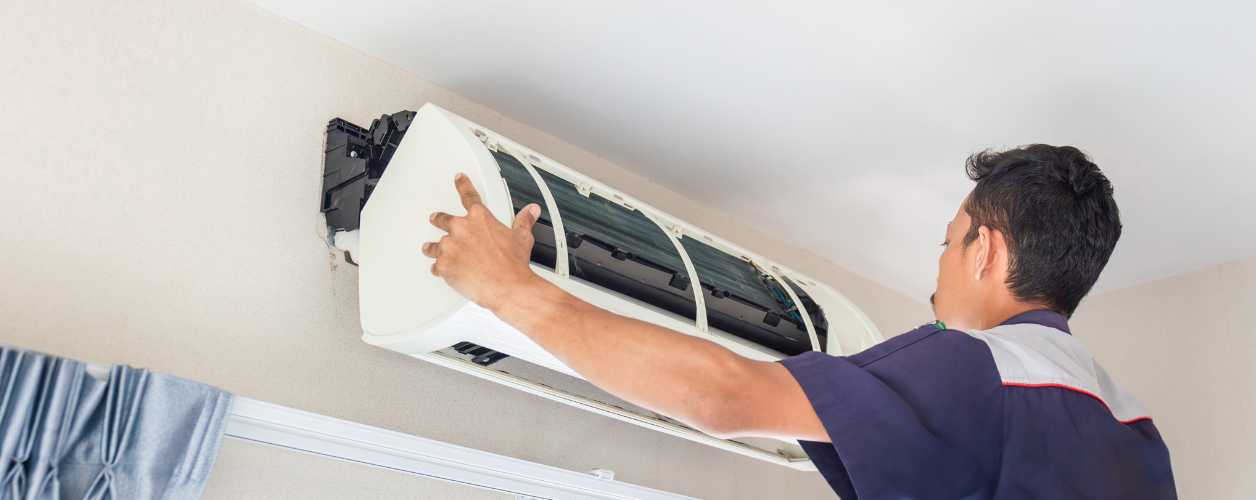
Upgrading Your Home Cooling System
Swapping out an aging or failing air conditioner is a major home improvement project that goes far beyond simply dropping a new appliance into place. Air conditioning replacement involves carefully removing your outdated cooling equipment and installing a modern, energy-efficient system designed to properly manage your indoor climate. Homeowners typically realize it is time for this service when they face frequent and costly breakdowns, steadily rising energy bills, or a system that struggles to maintain comfortable temperatures after a decade or more of use.
Handling this kind of project requires specialized expertise. Professional installers ensure the new equipment is correctly sized for your square footage, safely manage complex electrical connections, and properly capture and dispose of old refrigerants. Attempting a DIY swap or hiring inexperienced labor often leads to inefficient cooling, voided warranties, or even serious safety hazards. When you hire an expert, you can expect a smooth process starting from an initial home evaluation to a final, rigorous test of your brand-new cooling system.
Your Future Air Conditioning Replacement Hero Is Just One Task Away — Let’s Find Them
Understanding the Replacement Process and Your Options
When you bring in a professional to update your cooling system, the scope of work usually depends on the type of equipment you currently have and what you want to achieve. The most common projects include swapping out traditional central air split systems, upgrading to highly efficient heat pumps, or transitioning to ductless mini-split setups for targeted zone cooling. Sometimes, the service also involves modifying existing ductwork to accommodate the airflow requirements of a newer, more powerful blower.
The standard process begins with a comprehensive home assessment. A skilled technician will not just look at the size of your old unit; they will perform a detailed cooling load calculation. This step factors in your home's square footage, window placement, insulation quality, and layout to determine the exact cooling capacity required. Once the appropriate system is chosen, the installation crew will safely disconnect and remove the old condenser and indoor evaporator coil. They then set the new equipment in place, weld and insulate the copper refrigerant lines, connect the necessary wiring, and finally, calibrate the system for optimal performance.
Before committing to a new system, you should consider a few critical factors. Energy efficiency is a major one, typically measured by the system's seasonal energy efficiency rating. While higher-efficiency models cost more upfront, they significantly reduce monthly energy consumption. Additionally, you will need to choose between single-stage, two-stage, or variable-speed compressors, which dictate how precisely the system controls indoor humidity and temperature.
Pricing and project timelines vary based on these choices. A straightforward swap of an outdoor condenser and indoor coil usually takes a single day. However, if your home requires a new thermostat wire to be pulled, electrical panel upgrades, or significant ductwork repairs, the project can extend to two or three days and increase the overall cost. A common challenge homeowners face during this phase is discovering that their existing ductwork is undersized or leaking, which must be addressed so the new, highly efficient unit does not suffocate from poor airflow.
Your Future Air Conditioning Replacement Hero Is Just One Task Away — Let’s Find Them
How to Hire Wisely and Prepare for Installation Day
Finding a trustworthy contractor is the most important step in replacing your cooling system. High-quality professionals stand out through their meticulous attention to detail. They will insist on evaluating your home's thermal footprint rather than just giving you a quote over the phone based on your old unit's physical size. Look for providers who employ technicians with recognized industry credentials for handling refrigerants and who have a solid track record of completing complex installations.
One of the biggest mistakes customers make is assuming that a larger unit is always better. An oversized air conditioner will cool the house down too quickly and shut off before it has a chance to remove humidity from the air, leaving your home feeling clammy and causing the equipment to wear out prematurely from constant cycling. Another common pitfall is automatically choosing the lowest bidder without checking if their quote includes essential items like structural modifications, new line sets, or haul-away fees for the old unit.
To ensure a smooth partnership, ask potential hires the following questions before signing a contract:
- Do you perform a formal load calculation to determine the correct equipment size?
- Does your estimate include the disposal of my old equipment and job site cleanup?
- Are there any modifications needed for my current ductwork or electrical panel to support this new unit?
- What are the exact terms of the manufacturer warranty and your company's labor warranty?
- Will you handle registering the equipment to ensure I get the maximum warranty coverage?
Once you have booked your professional, a little preparation goes a long way. Clear a path from your driveway to the indoor equipment, whether it is located in the basement, attic, or utility closet. Remove any patio furniture, garden hoses, or debris around the outdoor unit to give the crew plenty of room to maneuver. During the installation, expect some noise from power tools and multiple trips in and out of your home. A reputable team will lay down drop cloths to protect your floors and clean up their workspace thoroughly. After the new system is running, the lead technician should walk you through how to operate your new thermostat, explain the basics of changing your new filter sizes, and confirm that the system is cooling your home evenly.
Related Categories for Air Conditioning
Find Air Conditioning Replacement in States
- Air Conditioning Replacement in Alberta
- Air Conditioning Replacement in British Columbia
- Air Conditioning Replacement in Manitoba
- Air Conditioning Replacement in New Brunswick
- Air Conditioning Replacement in Newfoundland and Labrador
- Air Conditioning Replacement in Northwest Territories
- Air Conditioning Replacement in Nova Scotia
- Air Conditioning Replacement in Nunavut
- Air Conditioning Replacement in Ontario
- Air Conditioning Replacement in Prince Edward Island
- Air Conditioning Replacement in Quebec
- Air Conditioning Replacement in Saskatchewan
- Air Conditioning Replacement in Yukon
Answers to Your Common Questions
You should consider replacement if your AC is 10–15+ years old, needs frequent repairs, has declining performance, or uses outdated refrigerants like R-22. Rising energy bills and uneven cooling are also key signs it’s time for an upgrade.
The average cost to replace a residential air conditioning system ranges from $3,500 to $8,500, depending on the unit size (tonnage), brand, SEER efficiency rating, and whether ductwork or electrical upgrades are needed.
Most AC replacements take one full day, though it may take 2–3 days if additional work is required, such as duct modifications, thermostat replacement, or system zoning.
Yes. Newer AC units are significantly more energy-efficient, especially models with a high SEER rating. Replacing an old unit can cut cooling costs by 20–40%, depending on your usage and insulation.