
Choose From the Finest Concrete Crack Repair Near You

Double A Construction Inc
Request a QuoteFind Concrete Crack Repair in Your Area
- Concrete Crack Repair in Edmonton
- Concrete Crack Repair in Victoria
- Concrete Crack Repair in Winnipeg
- Concrete Crack Repair in Fredericton
- Concrete Crack Repair in St. John's
- Concrete Crack Repair in Yellowknife
- Concrete Crack Repair in Halifax
- Concrete Crack Repair in Iqaluit
- Concrete Crack Repair in Toronto
- Concrete Crack Repair in Charlottetown
- Concrete Crack Repair in Quebec
- Concrete Crack Repair in Regina
- Concrete Crack Repair in Whitehorse
Find Concrete Crack Repair Experts Near You
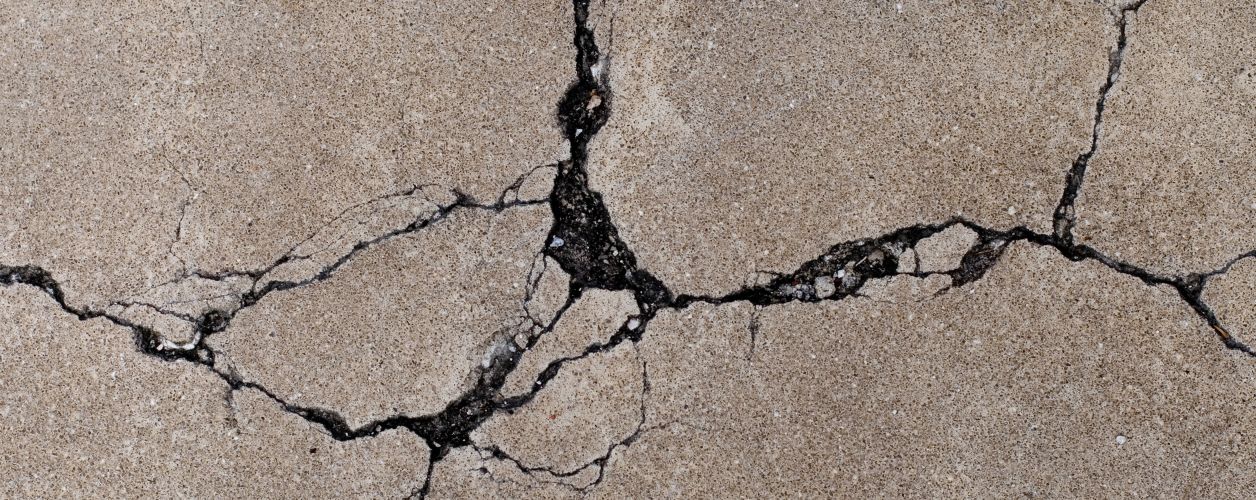
Over time, even the most expertly poured surfaces can develop fractures due to soil settling, temperature fluctuations, and heavy loads. Whether it is a subtle hairline fissure spreading across a patio or a widening gap in a basement wall, addressing compromised cement quickly is vital to prevent further deterioration. Professional intervention focuses not just on making the surface look pristine again, but on restoring structural integrity and keeping moisture out.
While minor surface flaws might tempt homeowners into a quick do-it-yourself patch, relying on specialists is the safest way to ensure a lasting fix. Professionals have access to industrial-grade resins, polyurethanes, and epoxies that bond deeply within the material. When you hire an expert, you can expect a thorough evaluation to determine the root cause of the damage, followed by precise surface preparation and the application of heavy-duty fillers that adapt to natural shifts and freeze-thaw cycles.
How the Process Works and What to Expect
Fixing damaged slabs and walls involves a variety of techniques tailored to the severity and location of the problem. Understanding the methods used and the factors that influence the project can help you make an informed decision when hiring a specialist.
Your Future Concrete Crack Repair Hero Is Just One Task Away — Let’s Find Them
Common Methods and Treatments
- Epoxy Injections: Typically used for structural restoration, particularly in basements and foundation walls. The epoxy acts as a powerful adhesive that bonds the separated pieces back together, often making the fixed area stronger than the original material.
- Polyurethane Foams: Ideal for stopping active water leaks and filling wider gaps. Polyurethane remains flexible after curing, allowing it to expand and contract with natural temperature changes without breaking.
- Routing and Sealing: Often used for driveways, sidewalks, and flatwork. The professional uses a specialized saw to widen and clean the fissure before applying a flexible sealant that prevents water intrusion.
- Slab Jacking and Leveling: If sinking soil caused the slab to break and sit unevenly, professionals may pump a leveling compound beneath the slab to lift it back into place before addressing the surface damage.
Factors Influencing Cost and Timelines
No two projects are exactly alike. The price and duration of your job will largely depend on the linear footage, width, and depth of the damage. A few hairline imperfections on a garage floor might be cleaned and sealed in a single afternoon. However, deep structural fractures in a foundation wall may require excavation, specialized injection ports, and several days of curing time.
Other variables include accessibility, as working in a cramped crawlspace will generally require more effort than working on an open driveway. Material choices also play a role; high-grade epoxies and custom color-matching services require a larger investment than basic flexible sealants. A common challenge professionals face is dealing with unpredictable weather. Outdoor projects often need dry conditions and moderate temperatures for the bonding agents to cure correctly, which can occasionally delay timelines.
Your Future Concrete Crack Repair Hero Is Just One Task Away — Let’s Find Them
Hiring the Right Professional and Preparing for the Job
Finding a reliable contractor is the difference between a permanent solution and a patch that flakes away after the first winter. Approaching the hiring process with a clear plan will protect your property and your wallet.
Identifying Quality Providers
- Look for Specialization: General handymen can handle many tasks, but compromised cement requires specific expertise. Seek out professionals who specialize in masonry, foundation repair, or flatwork restoration.
- Evaluate Their Approach: A reputable contractor will want to diagnose why the damage occurred, such as poor drainage or tree root interference, rather than just quoting a price to cover it up.
- Review Past Work: Ask to see before-and-after photos of similar projects. This helps you gauge their ability to color-match and smoothly blend the fix into the surrounding surface.
Common Mistakes to Avoid
- Ignoring the Root Cause: Sealing a gap without addressing a sinking subgrade or a broken gutter pouring water onto the slab guarantees the damage will eventually return.
- Waiting Too Long: Small imperfections allow water to seep in. When that water freezes and expands, a minor cosmetic issue quickly becomes a major structural failure.
- Choosing the Lowest Bid Automatically: Extremely low quotes often mean the provider is using cheap, rigid caulk instead of professional-grade polymers or epoxies that flex with the environment.
Questions to Ask Before Booking
- What specific materials will you use for this type of damage, and why?
- Is this a structural issue, or is it purely cosmetic?
- How long will the curing process take before I can drive, walk, or place furniture on the surface?
- Do you provide a warranty or guarantee if the gap reopens or the filler shrinks?
Preparing for Your Service
Before the technician arrives, clear the affected area completely. Move vehicles, patio furniture, potted plants, and stored items well out of the way to give the crew ample workspace. Sweep away loose debris and leaves, but avoid washing the surface right before the appointment, as most industrial adhesives require a completely dry environment to bond properly. Finally, make a mental note of how long the damage has been there and whether you have noticed it widening recently. Providing this context helps your specialist choose the most effective and long-lasting treatment plan.
Cost Guide
Related Categories for Home Constructions & Renovations
Find Concrete Crack Repair in States
- Concrete Crack Repair in Alberta
- Concrete Crack Repair in British Columbia
- Concrete Crack Repair in Manitoba
- Concrete Crack Repair in New Brunswick
- Concrete Crack Repair in Newfoundland and Labrador
- Concrete Crack Repair in Northwest Territories
- Concrete Crack Repair in Nova Scotia
- Concrete Crack Repair in Nunavut
- Concrete Crack Repair in Ontario
- Concrete Crack Repair in Prince Edward Island
- Concrete Crack Repair in Quebec
- Concrete Crack Repair in Saskatchewan
- Concrete Crack Repair in Yukon
Answers to Your Common Questions
Professionals can fix surface cracks, hairline cracks, structural cracks, and settling cracks in driveways, foundations, patios, walkways, and garage floors. They use methods like injection, patching, or resurfacing depending on severity.
If the crack is widening, uneven, or causing water to seep through, it may be a sign of structural movement or foundation issues. A pro can assess whether it’s cosmetic or needs deeper repair.
Minor surface crack repairs can start around $150–$400, while more involved structural repairs may cost $500 to $2,500+, depending on length, width, and location of the damage.
When done properly, crack repair can last many years. Pros use industrial-grade materials and methods to seal and reinforce the area—plus they’ll address any underlying issues to prevent future cracks.