
Choose From the Finest Stair Repair Near You

Double A Construction Inc
Request a QuoteFind Stair Repair in Your Area
- Stair Repair in Edmonton
- Stair Repair in Victoria
- Stair Repair in Winnipeg
- Stair Repair in Fredericton
- Stair Repair in St. John's
- Stair Repair in Yellowknife
- Stair Repair in Halifax
- Stair Repair in Iqaluit
- Stair Repair in Toronto
- Stair Repair in Charlottetown
- Stair Repair in Quebec
- Stair Repair in Regina
- Stair Repair in Whitehorse
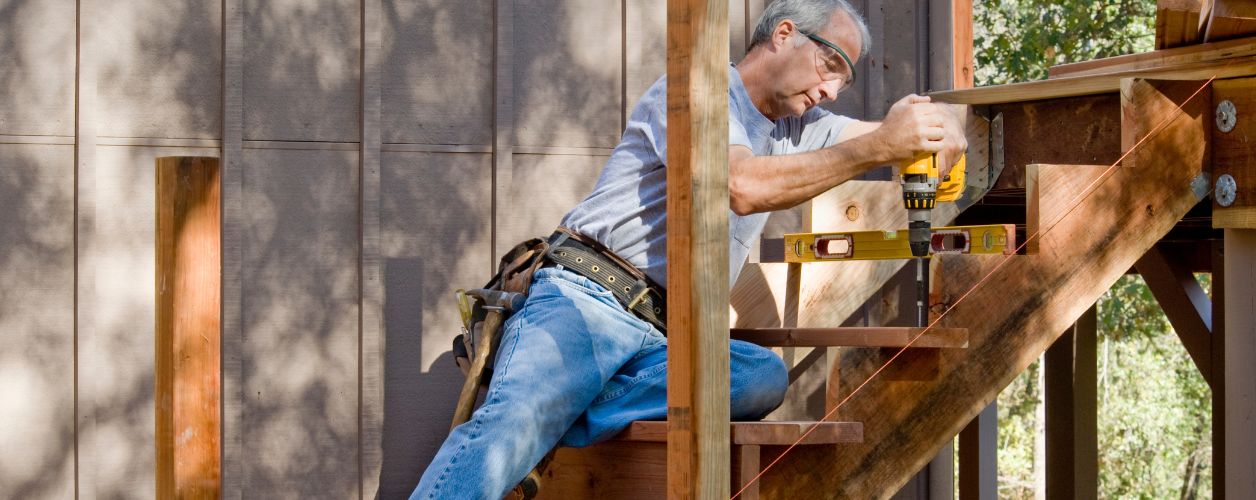
Stair Repair Experts Near Me: Top Local Services at Your Doorstep
Stairs are more than just a functional connection between floors; they are a central architectural feature and a high-traffic component of any property. Over time, the constant weight and movement can lead to wear and tear that compromises both the appearance and the structural integrity of the staircase. Whether it is a persistent squeak that disrupts the quiet of your home, a loose handrail that poses a safety risk, or weathered outdoor steps damaged by seasonal temperature shifts, professional repair services are essential for maintaining a safe environment.
Engaging a specialist ensures that repairs go beyond a surface-level fix. Professional contractors understand the physics of weight distribution and the nuances of different materials, from traditional hardwoods to modern glass and metal systems. By addressing issues early, you prevent minor cosmetic flaws from evolving into costly structural failures, ensuring your staircase remains a durable and beautiful part of your interior or exterior design.
Common Services Provided by Staircase Specialists
Stair repair experts offer a wide range of technical solutions tailored to different materials and construction styles. Typical services include:
- Eliminating floorboard squeaks and creaks through sub-tread reinforcement
- Replacing cracked or worn wooden treads and risers
- Securing loose or wobbling handrails and banisters
- Replacing broken or outdated balusters and spindles
- Structural reinforcement for sagging or shifting staircases
- Refinishing and staining wooden stairs to match existing flooring
- Repairing concrete or masonry outdoor steps damaged by frost heave
- Restoring antique or heritage staircases with period-accurate materials
- Installing non-slip surfaces and safety nosings
- Repairing or replacing stringers (the side supports of the stairs)
- Fixing metal spiral staircase components and welds
- Upgrading older stairs to meet current safety and building codes
- Repairing damage caused by pets, water leaks, or impact
- Tightening and stabilizing newel posts
The Typical Repair and Restoration Process
When you hire a professional for staircase repairs, the process generally follows a structured path to ensure long-lasting results. It begins with a thorough inspection where the contractor evaluates the "bones" of the stairs, looking for movement in the stringers or gaps in the joinery. Once the root cause—rather than just the symptom—is identified, the specialist will provide a plan that outlines the necessary materials and the sequence of work.
During the repair phase, craftsmen often work from the bottom up. For squeaks, this might involve accessing the underside of the stairs or using specialized screws and wood glue from above to fuse the tread back to the stringer. For aesthetic restorations, the area is typically cordoned off to manage dust and fumes. The final stage involves sanding, staining, or sealing the repaired areas to create a seamless transition between the old and new sections, followed by a safety check to ensure all weight-bearing components are rock-solid.
Your Future Stair Repair Hero Is Just One Task Away — Let’s Find Them
How to Select a Qualified Stair Repair Professional
Evaluate Specialized Material Knowledge
Staircases are built using various materials including oak, maple, iron, glass, and concrete. It is vital to choose a professional who has specific experience with the material in your home. For instance, a carpenter specializing in cabinetry may not have the same expertise as a stair-specific contractor who understands the structural requirements of a weight-bearing staircase.
Prioritize Safety and Code Compliance
A reputable professional should be well-versed in standard safety requirements, such as the correct height for handrails and the maximum allowable gap between balusters. Ask potential providers how they ensure their repairs meet modern safety standards, particularly if you have an older home where the original staircase may no longer be up to current safety expectations.
Check for Detailed Portfolios and References
Look for a professional who can show clear "before and after" examples of their work. Since stair repair often involves matching existing wood grains or paint colors, seeing their previous finishing work will give you confidence in their ability to provide a cohesive look. High-quality professionals are usually happy to provide references from past clients who had similar structural or cosmetic issues.
Understanding Pricing and Cost Factors
The cost of stair repair varies significantly based on the scope of the project and the materials involved. A simple squeak repair is a minor investment, while a full structural overhaul or high-end refinishing project requires a larger budget. In the Canadian market, material costs for hardwoods like White Oak or Walnut can fluctuate, influencing the overall quote.
| Service Type | Complexity | Estimated Price Range (CAD) |
|---|---|---|
| Basic Squeak Repair (per area) | Low | $150 - $400 |
| Handrail or Baluster Tightening | Low to Medium | $200 - $600 |
| Individual Tread Replacement | Medium | $300 - $800 |
| Full Stair Refinishing (Sanding/Staining) | High | $1,500 - $4,500+ |
| Structural Reinforcement/Stringer Repair | High | $1,000 - $5,000+ |
Real-World Scenarios for Professional Intervention
Many homeowners seek out staircase experts when they notice "staircase creep"—a gradual shifting or loosening of components. Another common scenario involves preparing a home for sale; a creaky or worn staircase can significantly lower a property's perceived value. Additionally, after a basement renovation, many homeowners find that their existing stairs no longer match the new aesthetic or need to be moved slightly to accommodate the new layout, requiring expert carpentry and structural adjustments.
Your Future Stair Repair Hero Is Just One Task Away — Let’s Find Them
Key Questions to Ask Your Stair Contractor
Before committing to a service provider, use these questions to gauge their expertise and ensure they are the right fit for your project:
- How many years of experience do you have specifically in staircase repair versus general carpentry?
- Can you match the existing wood species and stain color of my current stairs?
- Will the repairs require access to the underside of the staircase (e.g., through a basement ceiling)?
- What type of dust containment system do you use during the sanding process?
- Are you able to reinforce the stairs to handle higher weight capacities?
- Do you provide a warranty on both the materials used and the labor performed?
- How long will the staircase be out of commission during the repair process?
Common Mistakes to Avoid
One of the most frequent mistakes homeowners make is attempting to "fix" a squeaky stair by simply driving nails into the top of the tread. This rarely solves the underlying issue of wood-on-wood friction and often results in unsightly holes or split wood. Another error is ignoring a loose handrail; what starts as a minor wiggle can lead to a complete failure of the mounting hardware under pressure. Lastly, avoid hiring a general handyman for structural staircase issues. Stairs are complex load-bearing systems that require specialized knowledge of joinery and physics to repair safely and permanently.
Cost Guide
Related Categories for Home Constructions & Renovations
Find Stair Repair in States
- Stair Repair in Alberta
- Stair Repair in British Columbia
- Stair Repair in Manitoba
- Stair Repair in New Brunswick
- Stair Repair in Newfoundland and Labrador
- Stair Repair in Northwest Territories
- Stair Repair in Nova Scotia
- Stair Repair in Nunavut
- Stair Repair in Ontario
- Stair Repair in Prince Edward Island
- Stair Repair in Quebec
- Stair Repair in Saskatchewan
- Stair Repair in Yukon
Answers to Your Common Questions
Experts can repair loose or creaky steps, cracked or broken treads, unstable railings, worn-out carpet or wood finishes, and even structural issues with the staircase frame—whether it's indoor or outdoor stairs.
If your stairs squeak, feel wobbly, have visible cracks, or show signs of sagging or unevenness, it's time to call in a pro. These issues can become safety hazards if ignored.
Costs depend on the damage and materials. Minor fixes like tightening railings or patching a step may cost $150–$400, while more extensive repairs or refinishing could range from $500 to $2,000+.
Small cosmetic fixes can be DIY-friendly, but for structural issues, loose railings, or damaged treads, hiring a professional ensures safety, code compliance, and a longer-lasting repair.
Minor repairs like tightening a handrail or fixing a few squeaks can often be completed in a few hours. However, full refinishing or tread replacement usually takes 2 to 5 days, depending on the drying time required for stains and protective coatings.
This is often caused by soil settlement or the expansion and contraction cycles of the Canadian climate. A professional can assess whether the stairs need new footings or if the attachment points to the home's rim joist need to be reinforced with heavy-duty brackets.
If the main support beams (stringers) are rotted or structurally compromised, replacement is often safer and more cost-effective. If the issues are primarily cosmetic or involve loose components like treads and balusters, professional repair can make the staircase look and feel like new for a fraction of the replacement cost.
Repairs involving sanding or structural demolition can generate dust. Professional stair contractors use HEPA-filtered vacuum systems and plastic sheeting to contain debris. It is always best to discuss dust management plans before the work begins.